
Operational Risk and Power Continuity in Georgia and Florida
Introduction
The Changing Nature of Grid and Power Reliability
Electrical reliability across the Southeast is entering a new phase defined by two converging pressures. Grid systems are operating closer to capacity with increasing grid strain, and storm behavior is becoming less predictable and more severe.
For commercial developments, this shift is operational. Power continuity directly impacts revenue protection, tenant performance, and long-term asset value.
Standby power systems, particularly large-scale commercial generators, are now a core component of infrastructure design rather than a secondary safeguard.
Recent Event Analysis
March 16, 2026 Severe Storm Impact in Georgia
Severe storms and high winds moved through Georgia on March 16, 2026, producing widespread disruption across critical infrastructure.
Key Impacts
- aria-level=”1″
- More than 30,000 outages concentrated in metro Atlanta
- Highest impact across Fulton, Gwinnett, Cherokee, Coweta, and Clayton counties
- Extensive damage from downed trees and transmission lines
- Over 200 flight cancellations at Hartsfield-Jackson Atlanta International Airport
This event reflects a broader pattern. Outages are increasingly driven by high-impact wind systems affecting both distribution and transmission infrastructure, extending outage duration and recovery complexity.
Grid Strain in Georgia
Rising Load and Infrastructure Stress
Georgia’s electrical grid is experiencing sustained pressure driven by structural growth and evolving demand patterns.
Population Expansion
Metro Atlanta continues to grow rapidly, increasing baseline electrical demand across all sectors.
High-Density Energy Demand
Data centers and logistics facilities are creating concentrated load requirements that significantly impact local grid capacity.
Electrification Trends
Electric vehicles and all-electric building systems are shifting demand toward continuous load profiles.
Weather-Driven Volatility
Extreme temperature swings and storm activity are creating overlapping stress conditions on the grid.
Despite continued investment, resilience challenges persist due to the combined effects of load growth and environmental stress.
Parallel Risk Expansion in Florida
An Accelerated Model of Exposure
Florida presents a more intensified version of these same challenges:
-
- Continued population growth driving peak demand increases
- Frequent severe weather events, including high winds and lightning
- Increased infrastructure exposure in Florida’s coastal environments
- Extended restoration timelines during multi-region storm events
For organizations operating across the Southeast, these conditions represent a regional reliability challenge rather than isolated risk.
Storm Behavior Shift
From Predictive Models to Volatility
Traditional infrastructure planning has relied on historical weather patterns. That approach is becoming less reliable.
Observed Shifts
- Faster storm development and escalation
- High-wind events occurring outside expected seasonal patterns
- Broader geographic impact zones
- Increased frequency of compound weather events
This shift reduces the effectiveness of legacy planning models and requires a more adaptive approach to infrastructure design.
Operational Impact on Commercial Assets
The implications are direct and measurable.
Design and Construction
Resilience must be integrated at the earliest stages of development.
Tenant Expectations
Industries increasingly require consistent uptime.
Insurance and Risk
Backup power capabilities are now a factor in underwriting decisions.
Revenue Exposure
Power interruptions directly impact operations, occupancy, and service delivery.
Standby Power as Core Infrastructure
Supporting Continuity Under Grid Stress
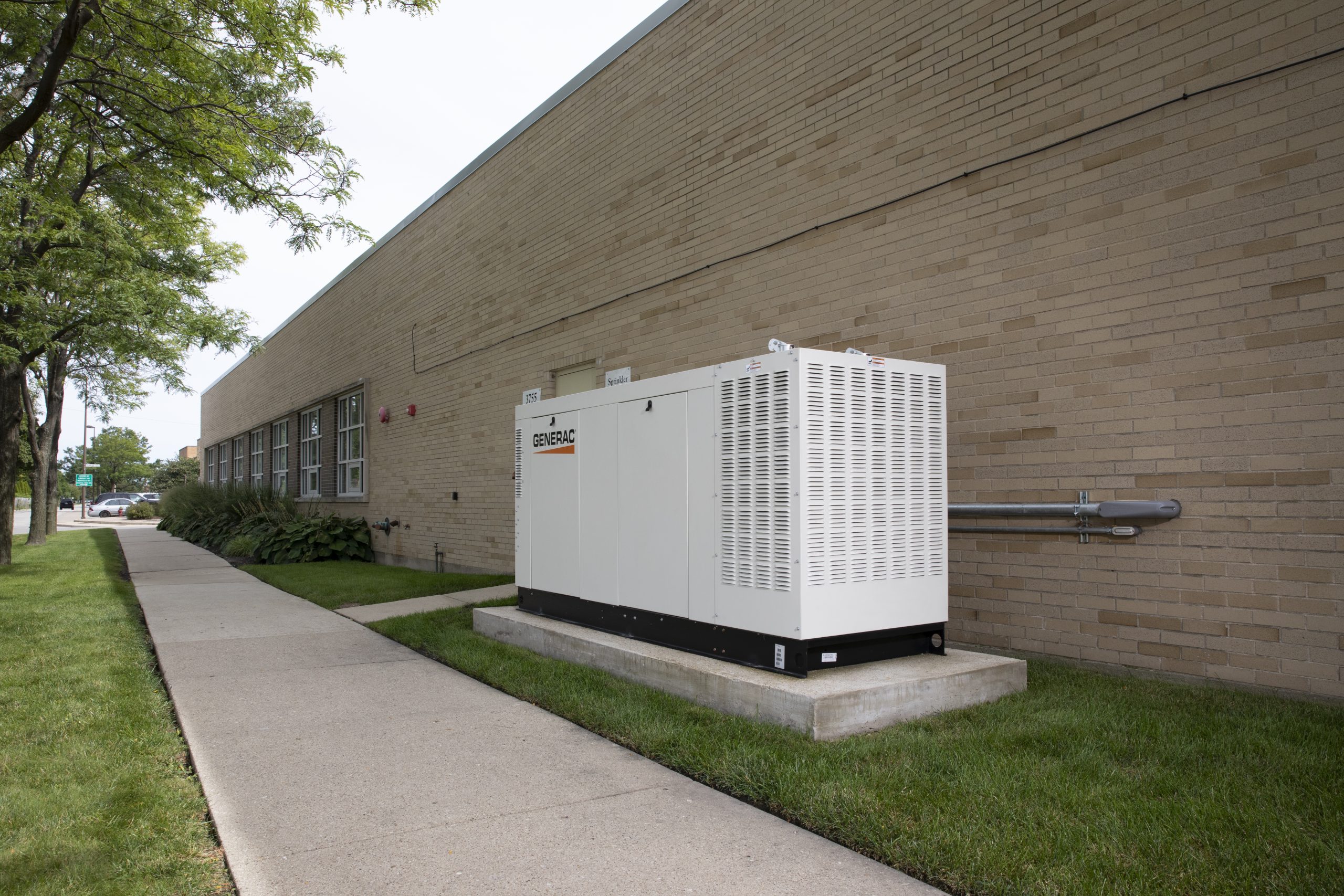
Large-scale commercial standby generators now play a central role in maintaining operational continuity.
System Capabilities
- Immediate response to grid outages
- Support for full or partial facility load
- Protection against voltage instability
- Integration with building management systems
These systems are essential in environments where outage frequency and duration are increasing.
Regional Expertise in Practice
Why Anderson Power Services
In a region defined by grid strain and evolving storm behavior, infrastructure planning requires more than technical capability. It requires direct, sustained experience within the operating environment.
Anderson Power Services brings over 30 years of experience serving the Southeast, with a focused presence in Georgia and Florida.
Established Southeast Presence
A long-standing regional footprint provides a working understanding of local utilities, permitting processes, and infrastructure limitations.
On-the-Ground Teams
Dedicated teams in Georgia and South Florida support real-time coordination, faster response, and consistent execution.
Active Regional Leadership
Leadership remains engaged in daily operations within the region, ensuring decisions reflect current conditions rather than remote assumptions.
Commercial and Public Sector Experience
Extensive work across commercial developments, government projects, and planning authorities supports integration into complex environments.
Forward Planning for Regional Growth
Preparation has been ongoing for:
- Data center expansion
- Population-driven demand increases
- Evolving storm behavior
- Increasing grid strain
Proven Approach to Regional Challenges
Experience with outage patterns, storm impacts, and infrastructure vulnerabilities informs practical system design aligned with real-world conditions.
Conclusion
Redefining Reliability in the Southeast
Grid strain and unpredictable storm behavior are converging to redefine reliability requirements across the Southeast.
Power continuity is no longer a secondary consideration. It is a defining factor in operational success, risk management, and long-term asset value.
Organizations that treat standby power as core infrastructure will be better positioned to operate effectively in this evolving environment. Treat commercial and industrial generator installation as the priority it is to ensure your company stays competitive.
Contact Information
Anderson Power Services
Phone: 866-798-9262
Email: sales@anderspowerservices.com
Website: www.andersonpowerservices.com
Get a Consultation
Virtual or in-person, we will help you determine the best backup power solutions for your needs.