When the power drops, a portable generator buys back the things you miss first: a cold refrigerator, working lights, a charged phone, and a fan or space heater. Roll it out, start it, and you have backup power within minutes, without wiring anything in permanently or waiting on an installer.
A portable also goes where a standby unit cannot. The same generator that carries your home through an outage can run tools on a project, keep a tailgate or camping trip powered, or back up a small business when the lights flicker. Which unit type fits depends on how you plan to use it, and most customers land somewhere between a light recreational inverter and a full jobsite machine.
Most of the time, getting started is as simple as picking a unit and pulling the cord. If you want it wired to power your home, that adds a step or two, and we walk through all of it with you.
Tell us what you want to keep running, and we will match you to a unit that covers it.
We hand off your generator ready to go and show you the fueling and start-up routine.
Want indoor circuits covered? Our electricians add the transfer switch and inlet box and deal with the permit and inspection.
Before we leave, we cover safe operation and how to flip over to generator power during an outage.
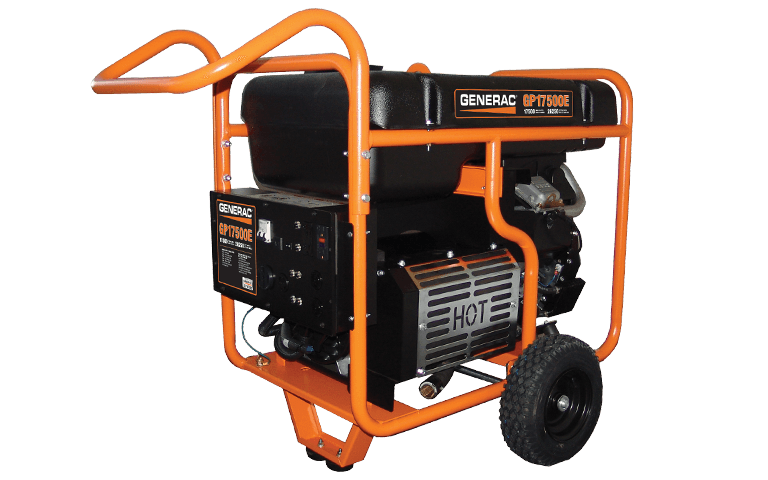
Storing a portable is easy to forget about until the next storm, and stale fuel is what gets most people, gumming up the carburetor so the engine won’t catch. A top priority is to run fresh gasoline, add a little stabilizer when it sits, and have the oil, filters, and electric-start battery checked now and then, so your portable generator is ready when you reach for it. Fuel left sitting through a whole season is a common source of damage to the fuel system, and an hour meter on the panel makes it easy to track run time against the service schedule.
Keep your model number and serial number on hand for the warranty, and follow Generac’s recommended maintenance schedule, since good upkeep and records help protect your coverage. Rather not track it yourself? Anderson’s maintenance service and service plans keep your portable on schedule for you.
A portable is an easy thing to buy online and a hard thing to get help with later. We stock Generac portables as an authorized dealer, so you get a real conversation about wattage before you spend anything, not a spec sheet and a shipping confirmation.
Our electricians can wire the transfer switch if you decide to power house circuits, and our technicians handle the oil, fuel, and battery work that keeps the unit starting. Same crew, whether you bought it here or somewhere else.
That depends entirely on the wattage you buy. A small generator at 3,600 watts is enough for the basics in an outage: a fridge, lamps, chargers, maybe a fan. Step up to the 6,500 to 8,500-watt range, and you can add a well or sump pump and run more of the house at once. The big GP units, at 15,000 to 17,500 watts, can carry most of your essential circuits through an outage when wired to a manual transfer switch.
Pull start means yanking a recoil cord, the same motion as a push mower, and it is standard on the lighter units. Electric start swaps that for a battery and a button, which is a lot friendlier on a big generator. Plenty of the Generac portables we carry come with electric start built in.
The bulk of Generac portables burn regular gasoline through an air-cooled OHV engine; the XD diesel model is the exception, and liquid propane is an option on certain units. Want something that never needs refueling? That points you toward a natural-gas standby instead, which we also sell and install. On a portable, run time comes down to tank size and fuel consumption, which climbs with the load you put on it. A full tank holds enough gasoline to run for hours before a built-in fuel gauge tells you it is time to refill.
Yes, but it has to go through a manual transfer switch and inlet box that an electrician wires in. That setup lets the generator safely feed the circuits you picked, like the furnace and refrigerator. What you should never do is run a cord from the generator into a wall or dryer socket, because that pushes power backward and can injure you or a lineworker.
Keep it outside on firm, dry ground, with plenty of clearance from windows, doors, and vents, and never tucked in a garage or under a porch. The exhaust carries carbon monoxide you cannot smell, and at high levels it can make you sick or be deadly, which is why you keep the generator outdoors and well away from windows and doors. As an added safeguard, Generac’s CoSense models monitor the air and shut the unit off on their own when they sense a dangerous buildup. If the weather turns, shelter it with a generator-rated cover made for the job, never a tarp that traps heat and fumes.
Each one ships with a Generac factory warranty, though how long it lasts varies from model to model. We will go over the specific terms for whatever unit you land on before you buy. Just know that letting maintenance slide can cut that coverage short, so the service schedule is worth keeping.
Get prepared with backup power before the next storm puts it to the test. Reach out for a free consultation, and our crew will help you land on the Generac portable that suits your home and the way you live.
© 2026 Anderson Power Services. All rights reserved. | Sitemap