
The Atlantic hurricane season runs from June 1 through November 30, with peak activity typically occurring between August and October. Preparing before the season begins gives you time to gather supplies, review your emergency plan, and install backup power before demand increases.
The Short Answer: Preparing for a hurricane comes down to four things: knowing your evacuation zone and local risk, building an emergency kit with at least three days of water, food, and supplies, gathering your important documents and a family plan, and arranging backup power before the storm. Getting these done before hurricane season means you can act calmly when a warning is posted.
Across the Southeast, hurricanes and tropical storms can cause widespread power outages, flooding, and wind damage. While storms often provide some advance notice, the best time to prepare is well before hurricane season begins. Once a hurricane warning is posted, store shelves empty fast, so the best time to put together a hurricane prep list is before hurricane season starts. Work through your risk, your emergency kit, your important documents, your family plan, and your backup power, checking off each section as you go.
Know Your Risk Before Hurricane Season

Every area in the path of a tropical cyclone faces different threats. Knowing yours shapes the rest of your hurricane prep.
- Find your evacuation zone. Local emergency management offices publish zone maps online. Officials issue evacuation orders by zone during a hurricane, so knowing yours tells you whether you need to leave.
- Understand storm surge. This is the rise in seawater pushed ashore by high winds, and it is the deadliest part of many hurricanes near the coast.
- Check your flood risk. Heavy rain can flood neighborhoods far from the beach.
- Plan for high winds. Even inland homes can lose roofing, trees, and power lines in a severe storm.
- Sign up for alerts from local officials and learn the difference between a watch and a warning.
The two terms are not the same. A watch means hurricane conditions are possible within about 48 hours, which is the time to review your plan, top off supplies, and fill your gas tank. A warning means those conditions are expected within roughly 36 hours, so finish your preparations and follow any evacuation orders without delay.
Build Your Hurricane Emergency Kit
The heart of any hurricane supply list is a well-stocked emergency kit. Ready.gov, the federal preparedness program, recommends keeping at least several days of food, water, and supplies on hand, since stores and help may be unavailable for a while after a storm. For a hurricane, aim for a week of supplies if you can. Build your disaster supply kit around these categories:
| Category | What to pack |
| Water | One gallon of clean water per person per day, at least three days, ideally seven |
| Food | Non-perishable food such as canned goods, peanut butter, granola bars, and dried fruit, plus a manual can opener |
| Light and power | Flashlights, headlamps, extra batteries, and charged power banks |
| First aid | A stocked first aid kit, prescription medicines, and hand sanitizer |
| Tools | Duct tape, garbage bags, a multi-tool, work gloves, and a whistle |
| Sanitation | Paper towels, toilet paper, wet wipes, soap, and trash bags |
| Documents | Important papers sealed in a waterproof container |
| Clothing | Sturdy shoes, a change of clothes, and a rain jacket for each family member |
| Comfort | Blankets, a battery or hand-crank radio, and activities for kids |
Keep your emergency supplies together in a labeled bin or two so you can grab them quickly. If you need to cook without power, never use a charcoal grill or camp stove indoors. Burning charcoal gives off carbon monoxide, an odorless gas that can be deadly in an enclosed space. Use grills outside and well away from doors and windows.
Protect Your Important Documents
Floodwater and high winds can destroy paper records in minutes. Gather your important documents ahead of time and store them safely. Pack these into a waterproof container or sealed airtight plastic bags:
- Insurance policies for home, flood, auto, and life
- Identification such as driver’s licenses and passports
- Medical records and a current list of medications
- Property deeds, leases, and vehicle titles
- Bank details and contact information for family and providers
Make digital copies too. Photograph or scan each document and save it to a secure cloud account or an email you can reach from any phone. That way, you still have a backup even if the originals are lost.
Make a Family Emergency Plan
Supplies matter, but a clear plan keeps everyone calm when a storm hits. Sit down with your household and write out an emergency plan together.
- Pick a safe place to meet if you get separated, both nearby and outside your neighborhood.
- Choose an out-of-area contact everyone can call or text, since local lines may be busy.
- Map your evacuation routes, plus a backup route in case roads flood.
- List your emergency contacts and post them where everyone can see them.
- Plan for pets. Many emergency shelters do not allow animals, so locate a pet-friendly shelter or a pet-friendly hotel in advance.
- Note anyone who may need extra help, such as older relatives or a family member with medical needs.
- Walk through the plan once so children know what to do.
Get Your Home Ready
A little work before the storm protects your property and reduces damage from heavy rain and wind. Secure or store important outdoor equipment, lawn equipment, and propane cylinders, according to manufacturer recommendations.
- Clear gutters and drains so rainwater flows away from the house.
- Trim trees and remove dead branches that could fall on the roof or power lines.
- Bring in or tie down outdoor furniture, grills, and anything the wind could throw.
- Cover windows with storm shutters or plywood.
- Learn how to shut off your water, gas, and electricity.
- Fill your car’s gas tank and pull out some cash, since pumps and ATMs need power.

Plan for the Power Outage
Hurricanes are hard on the grid. Falling trees and flying debris bring down power lines, and a power outage after a major storm can last days or even weeks. Planning for it is one of the most useful things on any hurricane preparedness checklist.
- Charge phones, laptops, and power banks fully before the storm arrives.
- Set your refrigerator and freezer to their coldest settings, and keep the doors closed to hold the cold longer.
- Keep coolers and ice ready for medicine and food that must stay cold.
- If you rely on medical equipment, refrigerated medications, or work from home, consider installing a permanently installed standby generator before hurricane season rather than waiting until a storm is approaching.
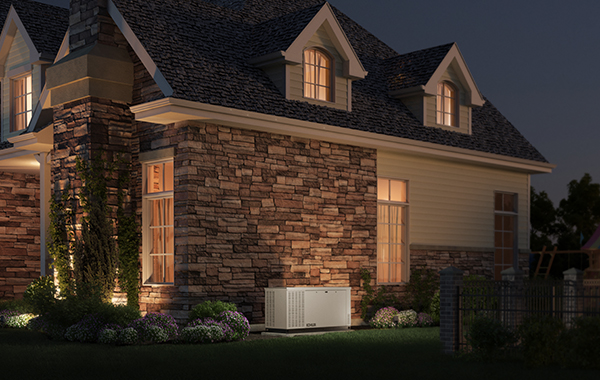
If you have a portable generator, run it outdoors only, at least 20 feet from the house and away from windows and doors. Like a charcoal grill, a generator produces carbon monoxide and should never run inside a home, garage, or shed. A permanently installed standby generator provides automatic backup power during an outage, helping keep essential systems running while eliminating the need to refuel or manually start a portable generator.
During and After the Storm

When the hurricane arrives, stay indoors and away from windows. Keep your radio on and follow instructions from local officials. If you are told to evacuate, leave early and take your kit, important documents, and pets with you.
The hours after a storm carry their own hazards. Treat every downed line as if it were a live line, keep clear, and report it as soon as you can. Wait until local officials declare it safe before returning to an evacuated area. Watch for carbon monoxide from generators and grills. And photograph any damage before you start cleanup so your insurance claim has a record.
Keep the Power On With Anderson Power Services
A hurricane prep list keeps your family safe and supplied, but the part many homeowners miss is steady power. When the grid goes down across the Southeast, a whole-home standby generator keeps your lights, refrigerator, medical equipment, and air conditioning running without a second thought.
That is where local expertise pays off. Anderson Power Services is a veteran-founded, authorized generator dealer serving Georgia, South Carolina, South Alabama, and Florida. The team sells and installs home, commercial, and industrial generators, transfer switches, propane tanks, and portable units, and services most whole-home brands. Every project starts with a free consultation, followed by professional installation, maintenance, and 24/7/365 remote monitoring through a Peace of Mind Service Plan. Backed by factory-trained technicians and a 4.9-star Google rating across more than 1,000 reviews, Anderson keeps homes and businesses across the Southeast powered. Call 706-348-1501 or schedule a free consultation to find the right fit for your home.
Get a Consultation
Virtual or in-person, we will help you determine the best backup power solutions for your needs.